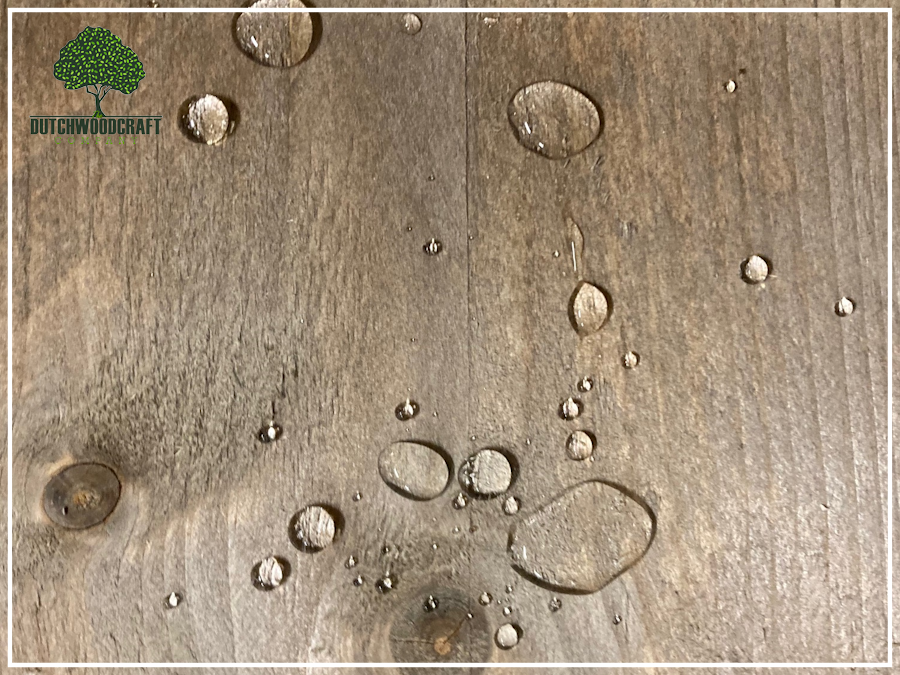
Water-based outdoor wood oil. Natural oil for outdoor use to protect deck boards, scaffolding and wooden garden furniture. Other suitable objects include fences, fencing, doors and stairs. For untreated, heat-treated and vacuum pressure-impregnated wood. Applied to clean, dry wooden surfaces with brush, sponge or by dipping. Protects wooden surfaces against moisture, dirt and, if coloured, against UV radiation from the sun. Reduces cracking of the wooden surface. Not suitable for greenhouses, hothouses and livestock shelters.
*Please note that UV protection requires pigment in the oil. The natural oil also contains grey pigment. You should therefore apply the oil thinly
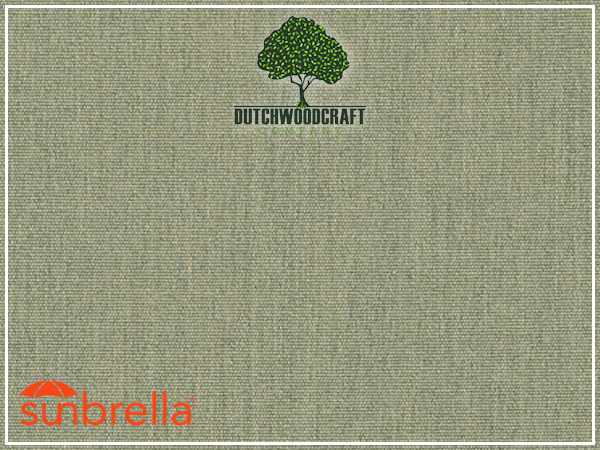
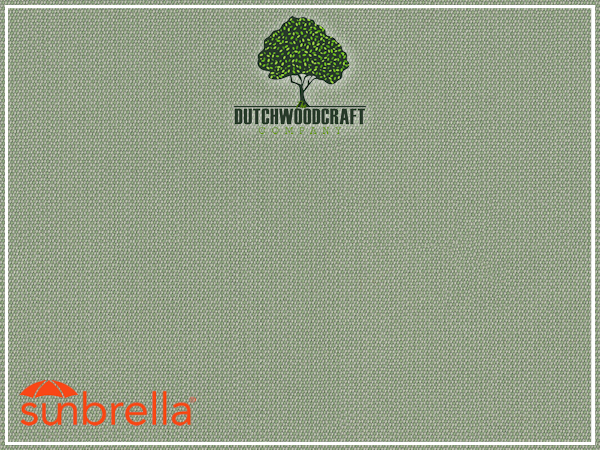
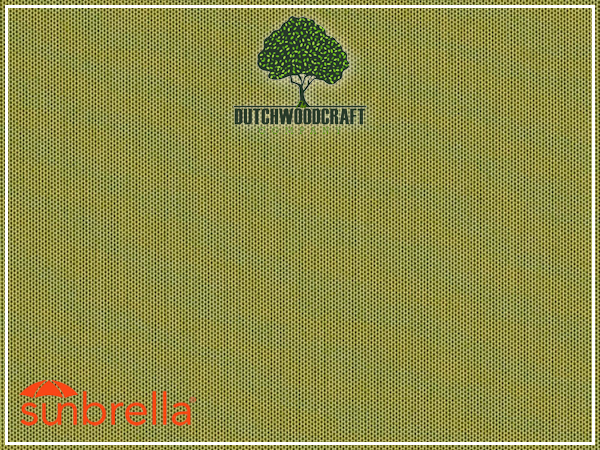
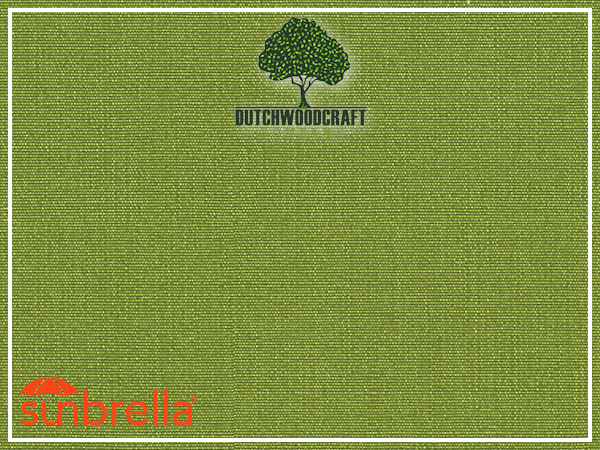
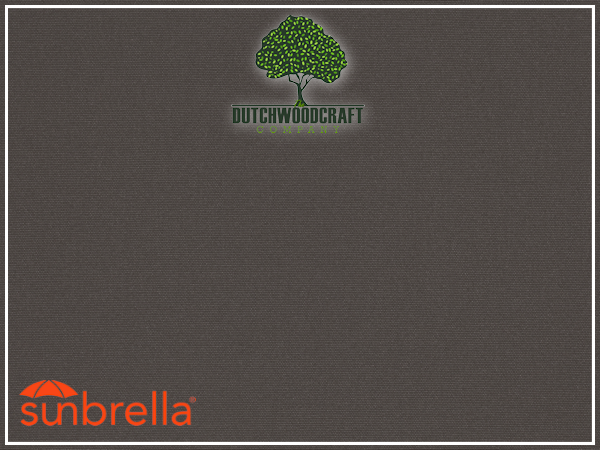
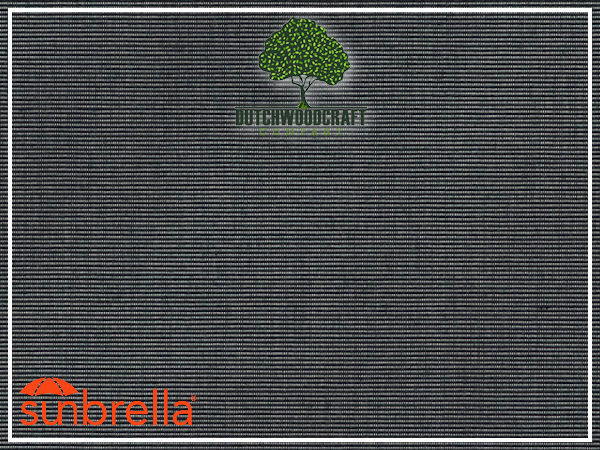
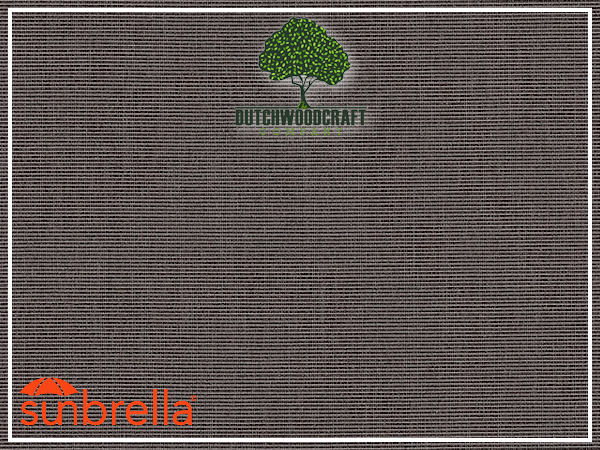
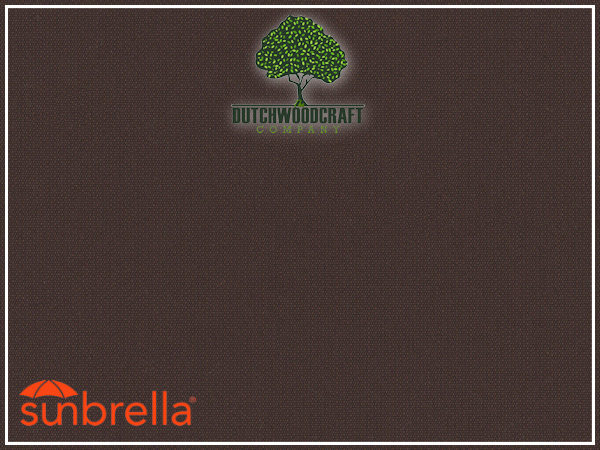
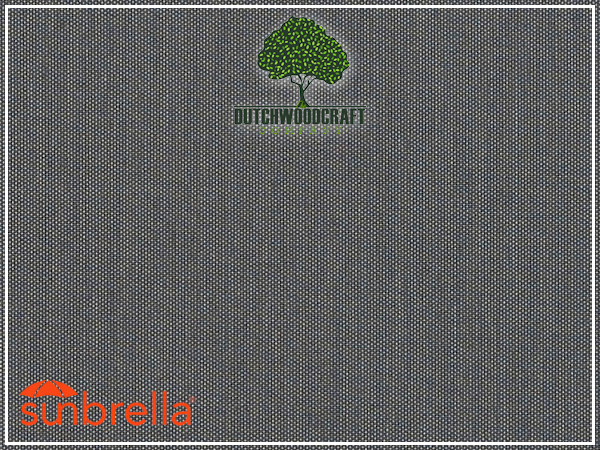
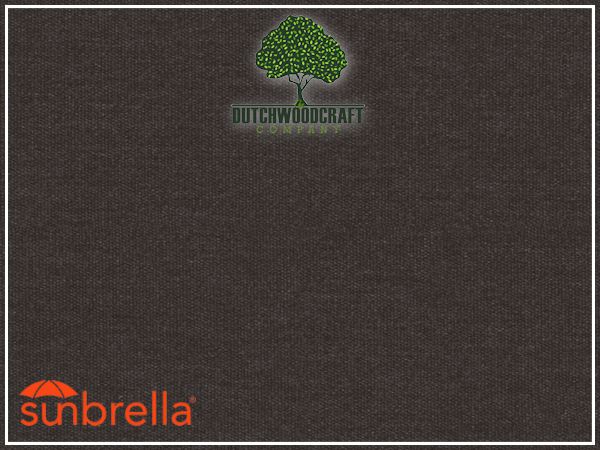
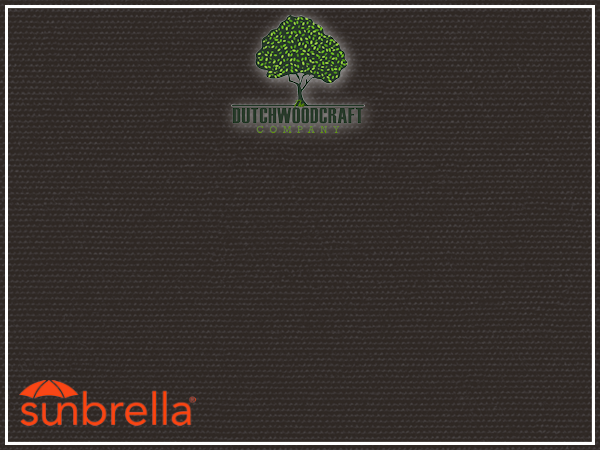
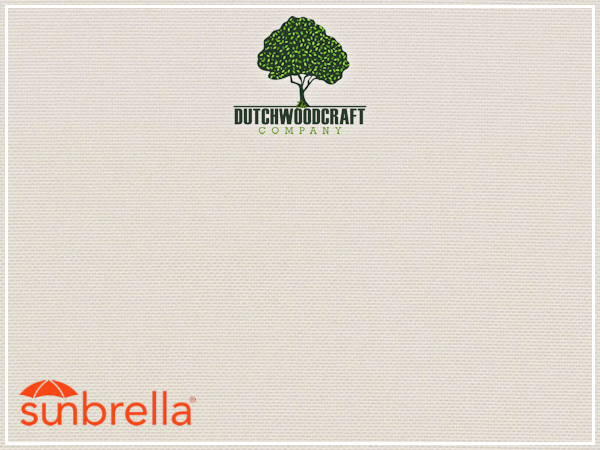
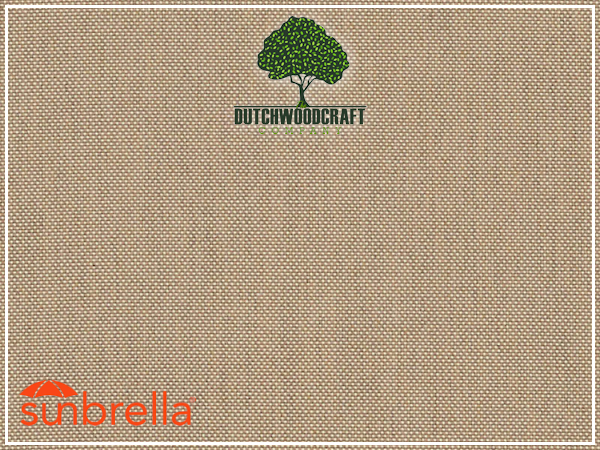
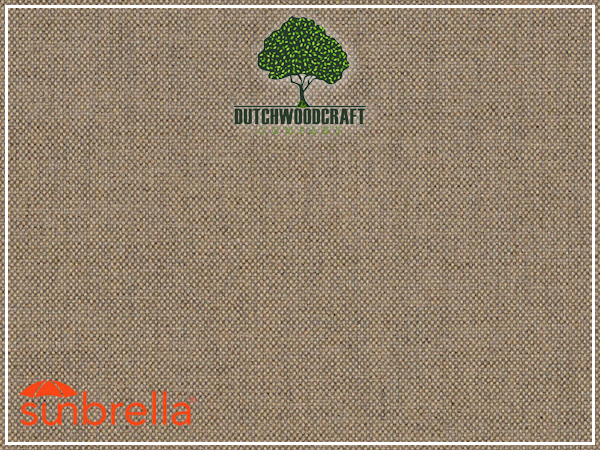
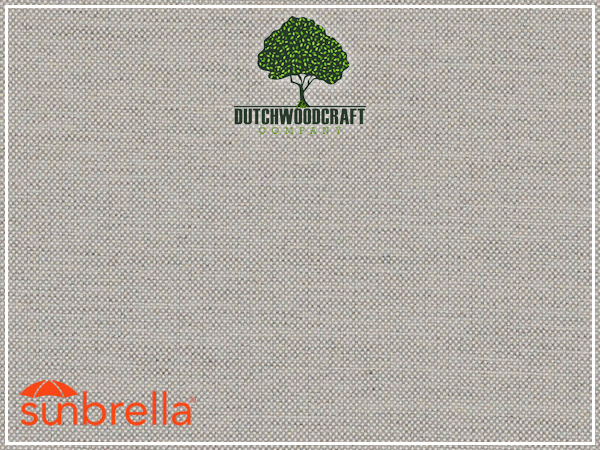
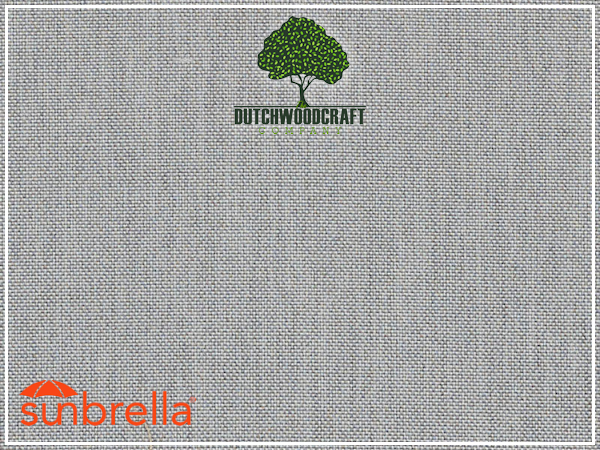
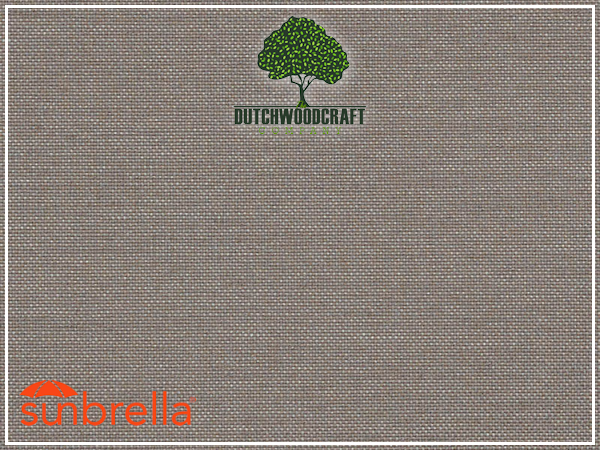
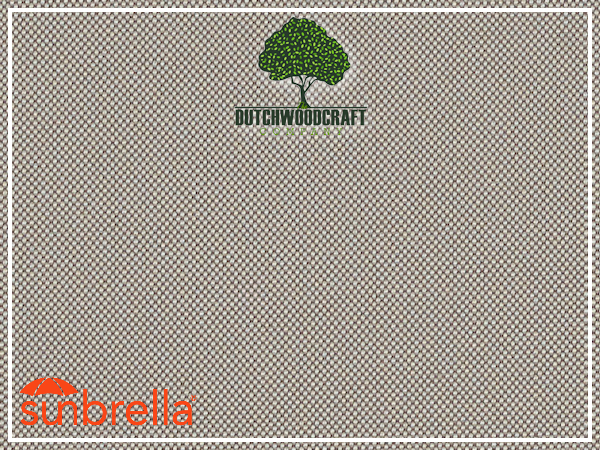
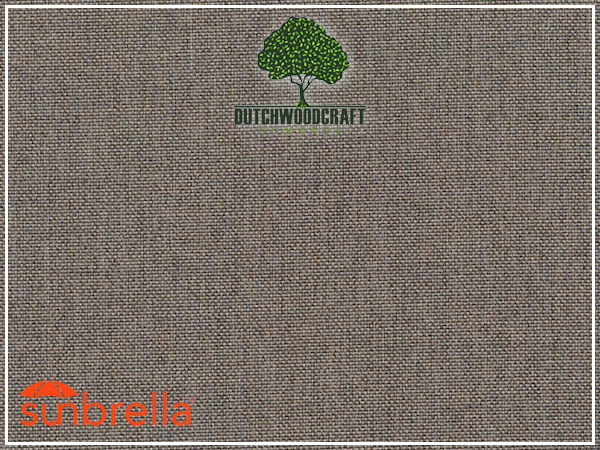
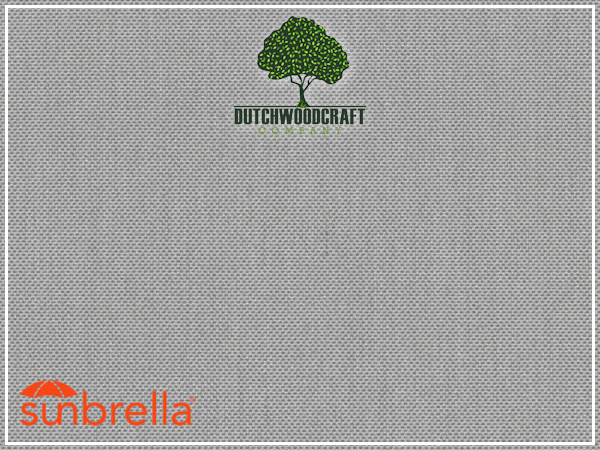
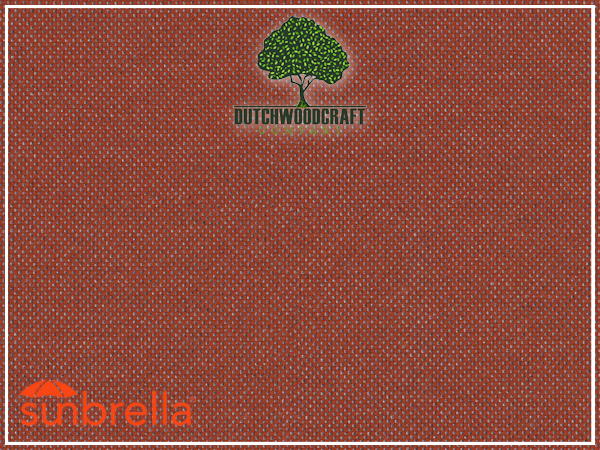
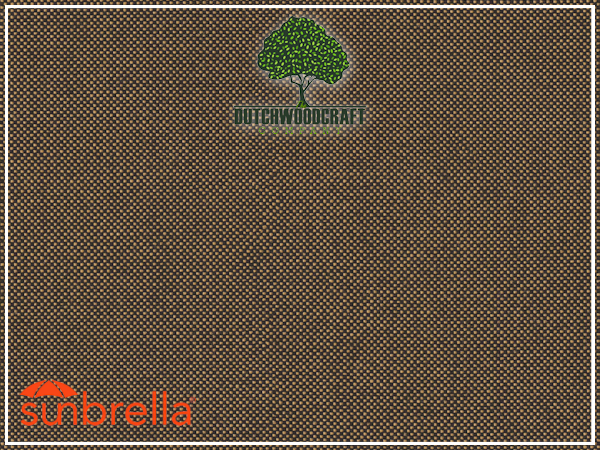
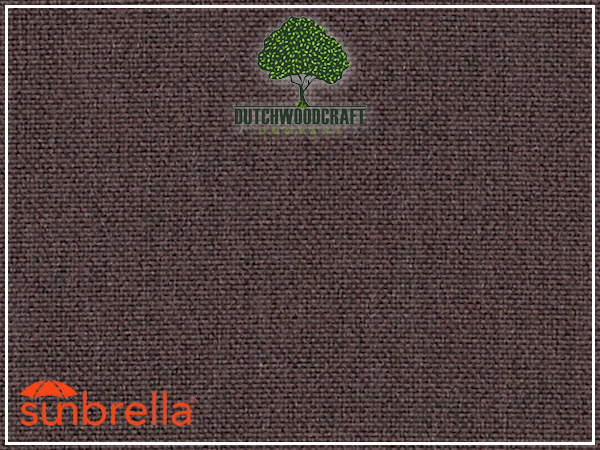
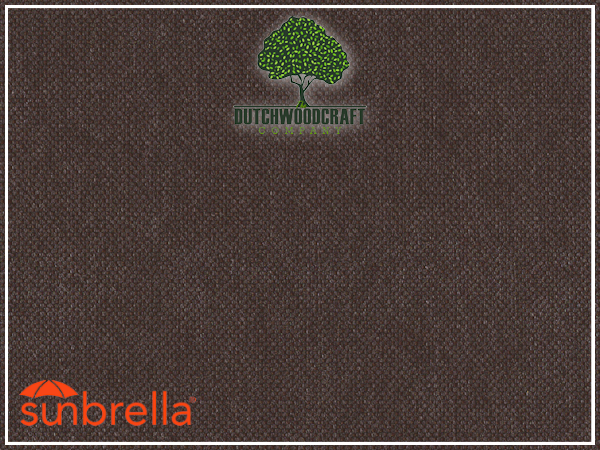
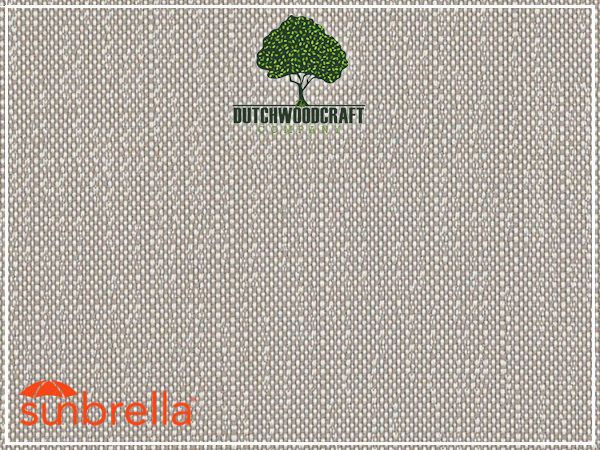
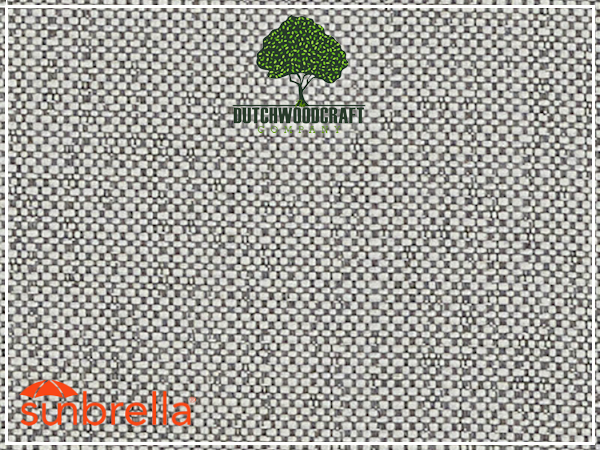
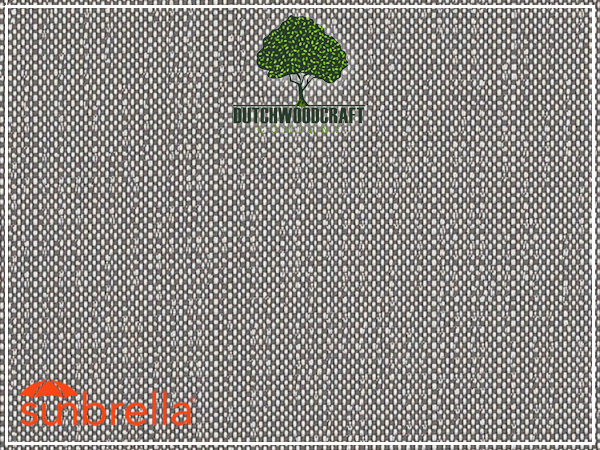
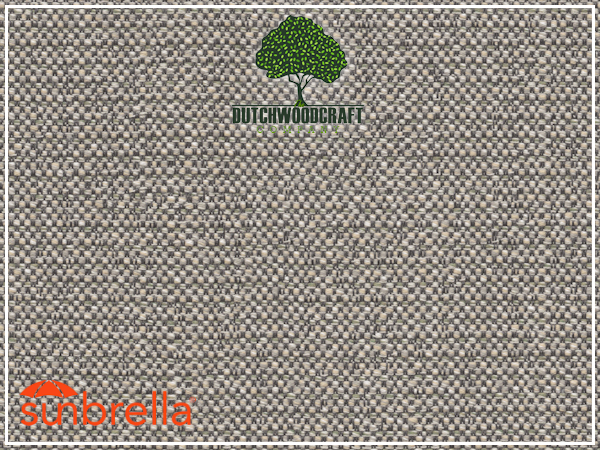
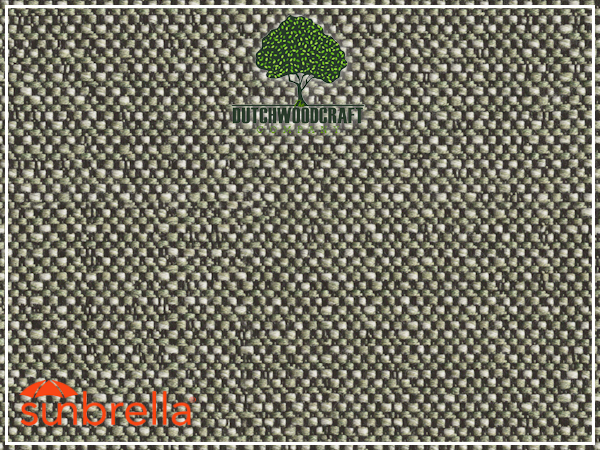
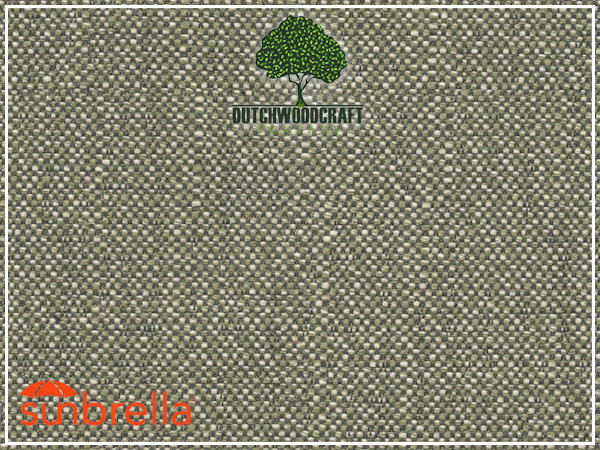
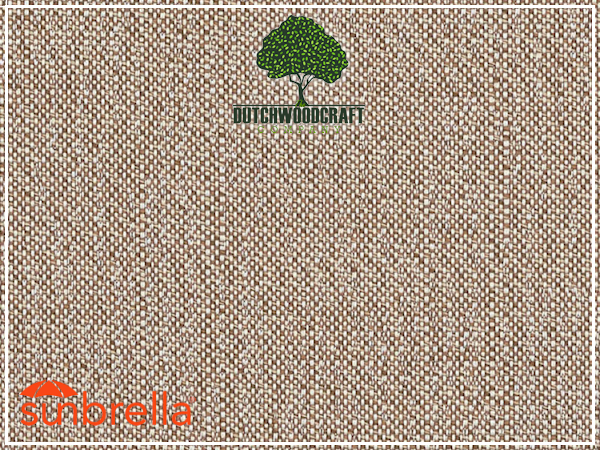
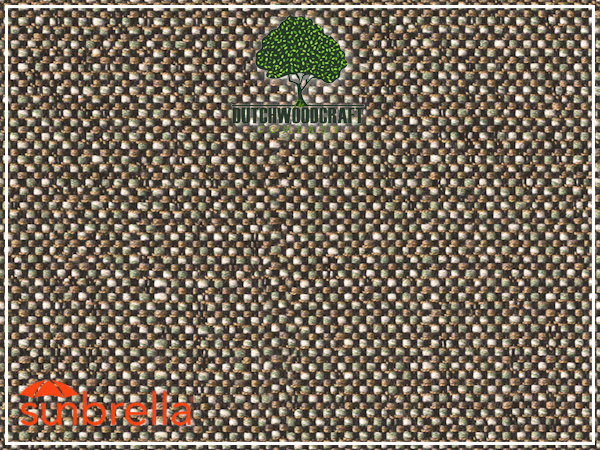
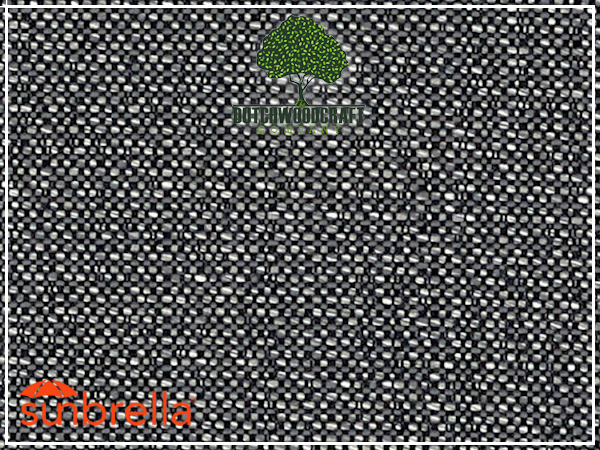
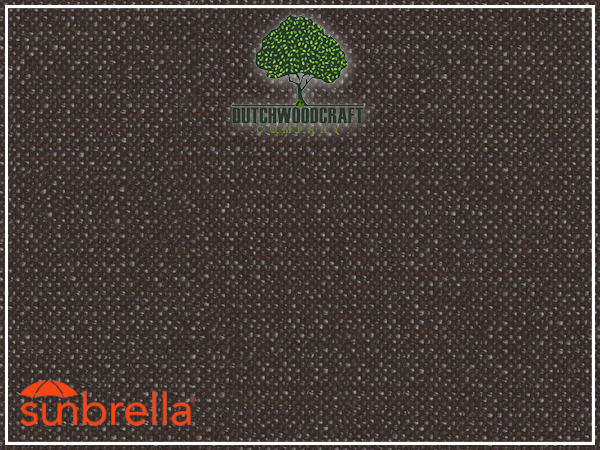
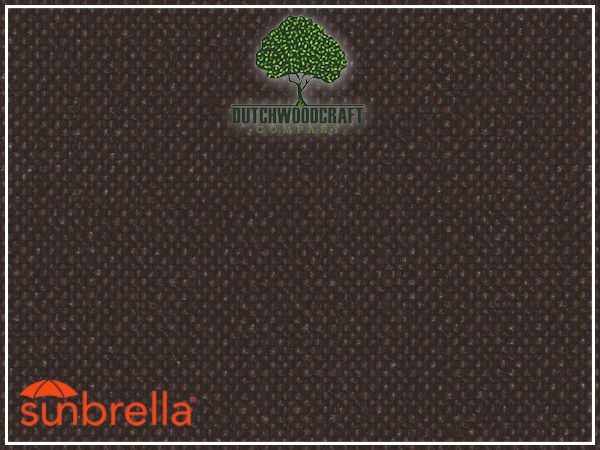
Sunbrella vs. Sunproof: Which Outdoor Fabric Will You Choose?
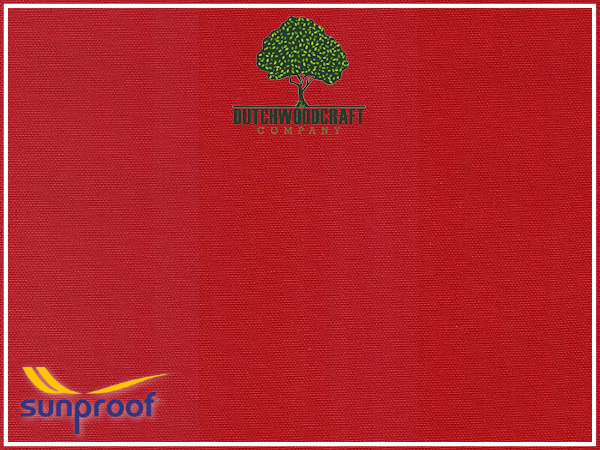
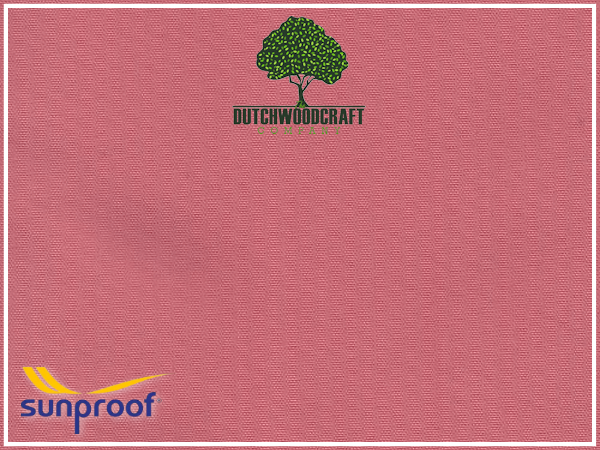
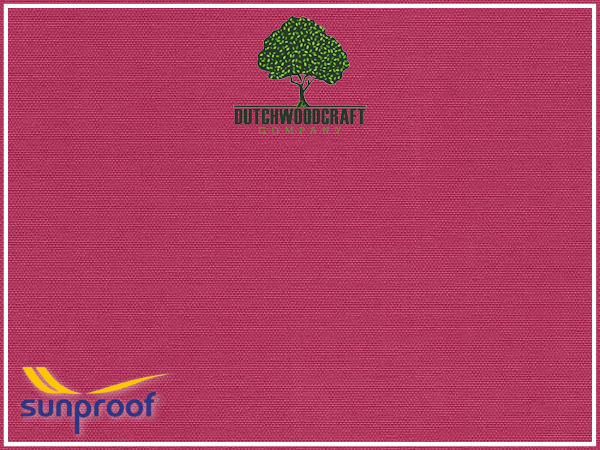
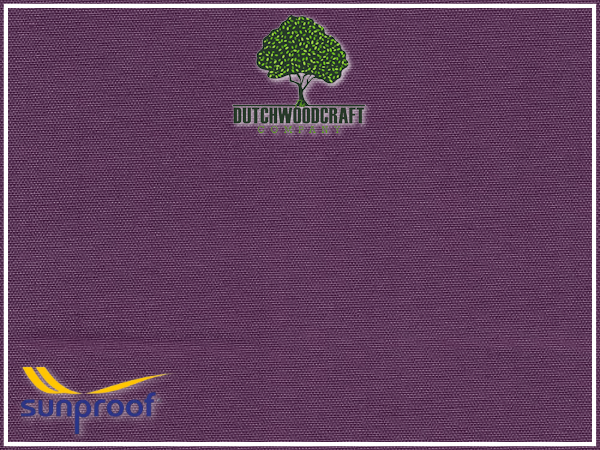
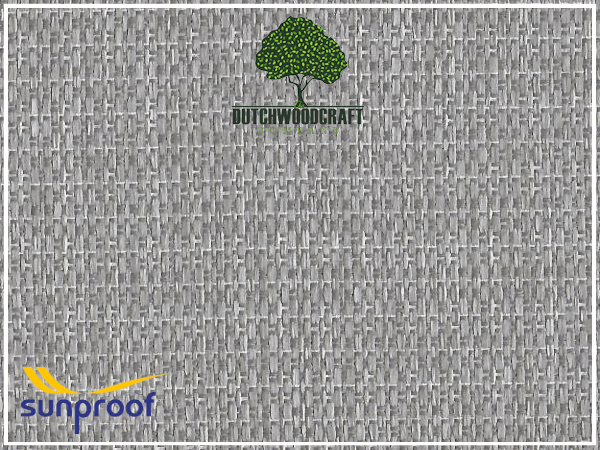
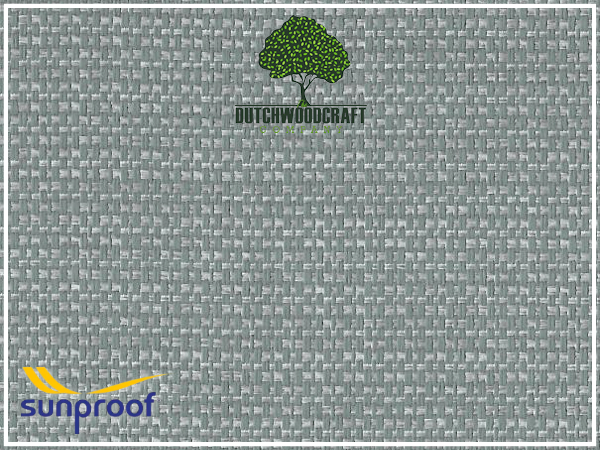
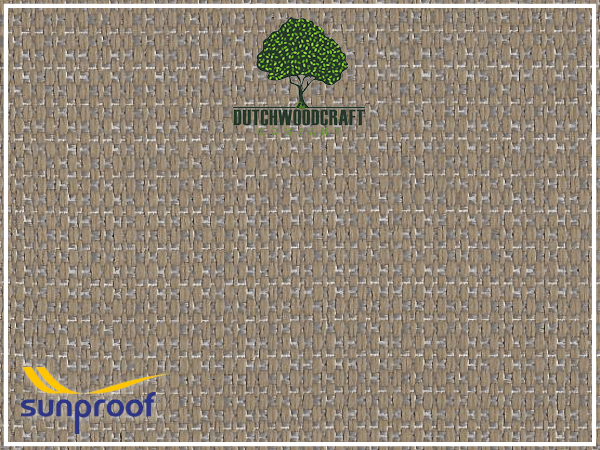
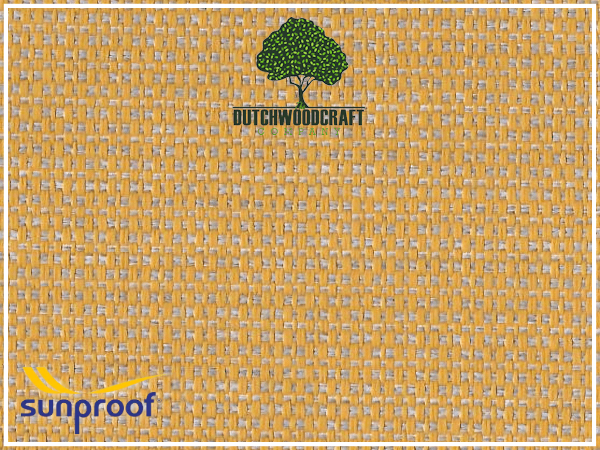
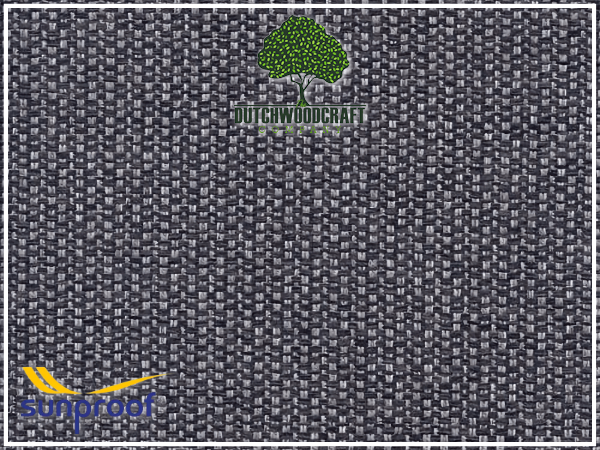
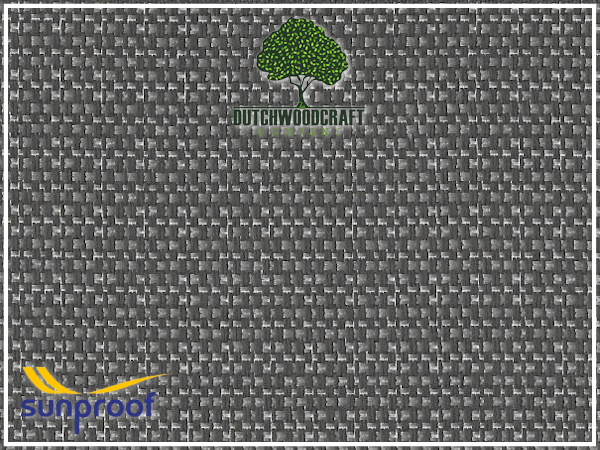
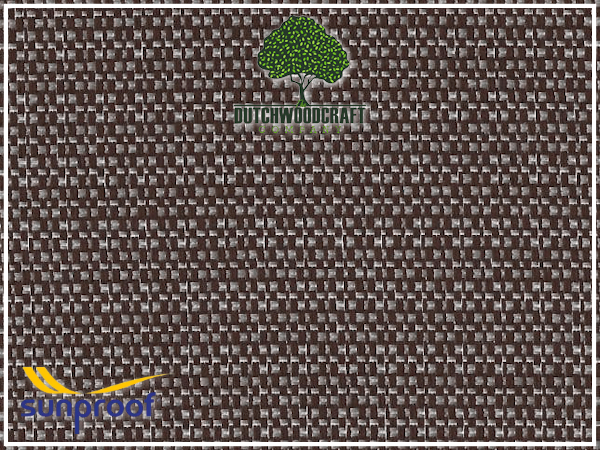
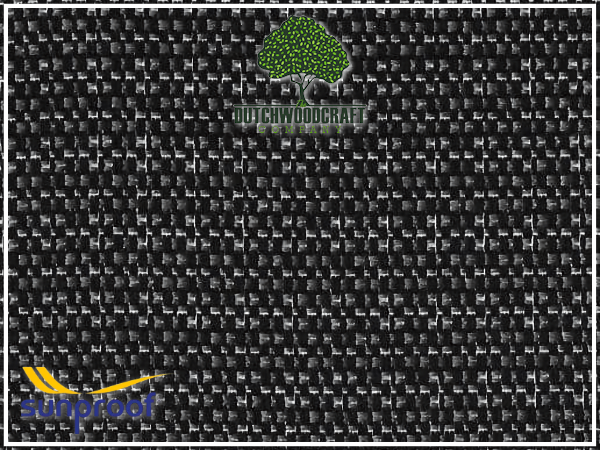
When choosing outdoor fabrics for cushions, chairs, or sunshades, two names often come up: Sunbrella and Sunproof. Both brands are known for their weather-resistant qualities and stylish appearance. Yet there are clear differences in origin, composition, and price. In this blog, we compare Sunbrella fabric and Sunproof fabric side by side, so you can make the right choice for your project.
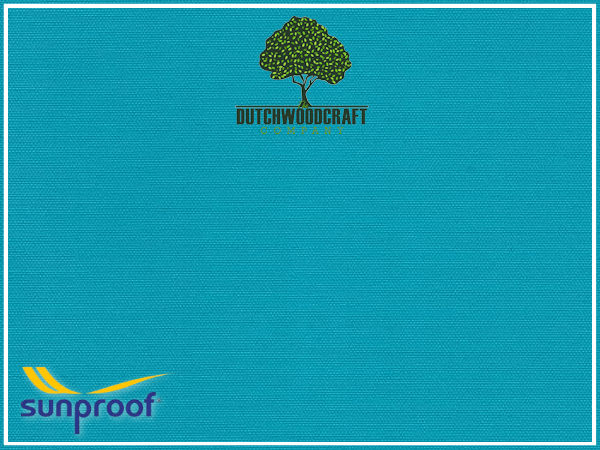
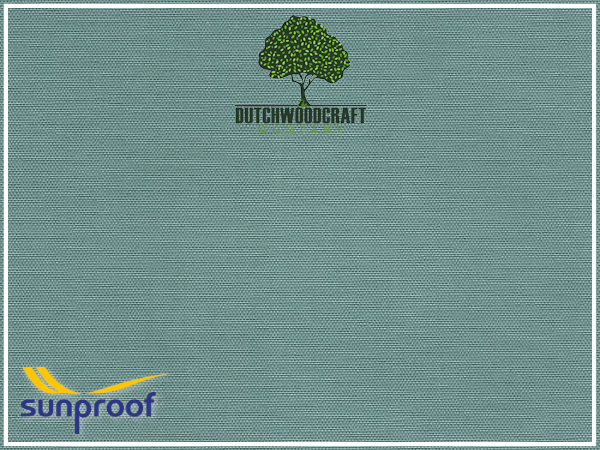
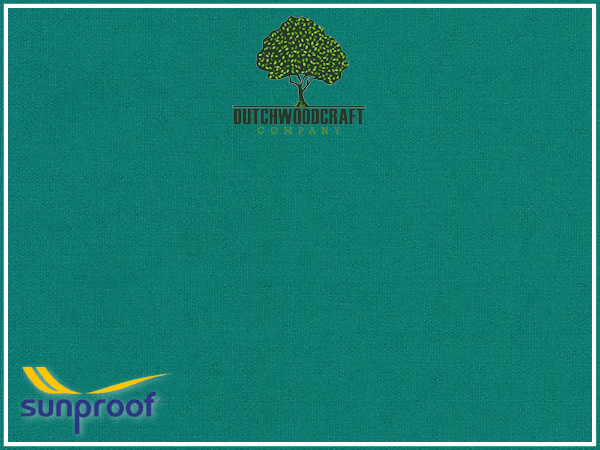
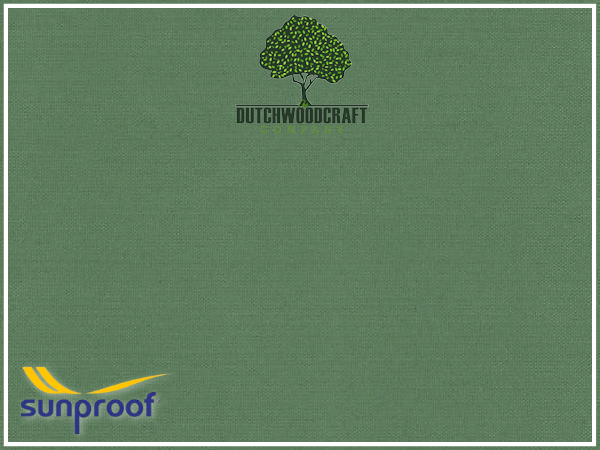
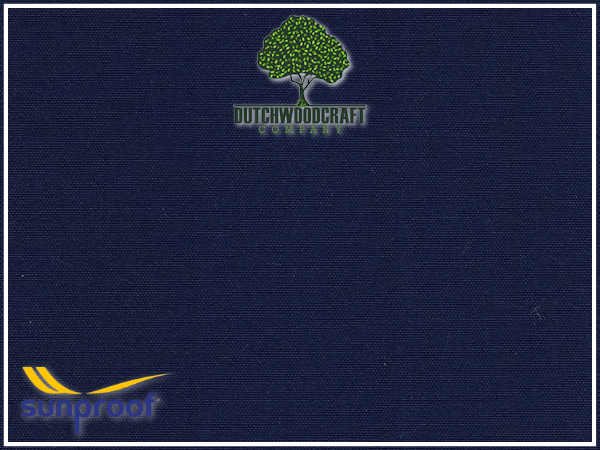
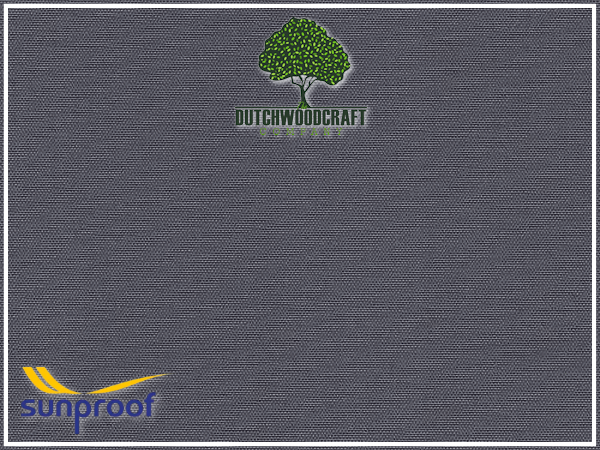
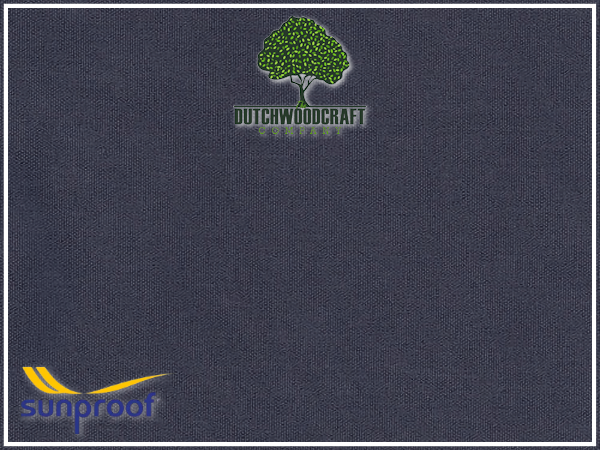
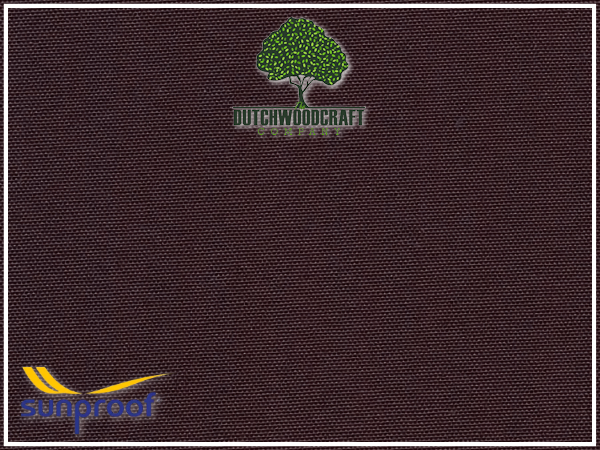
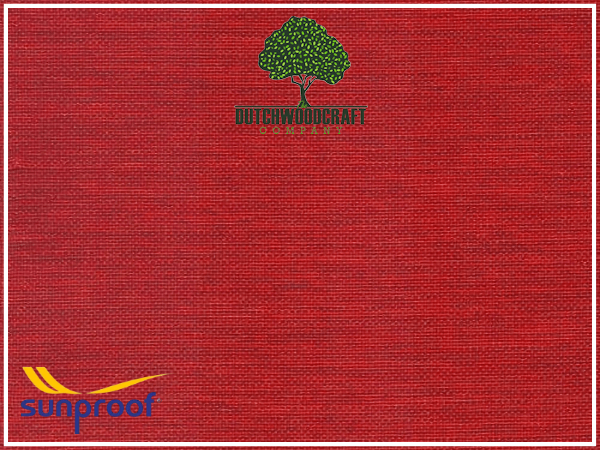
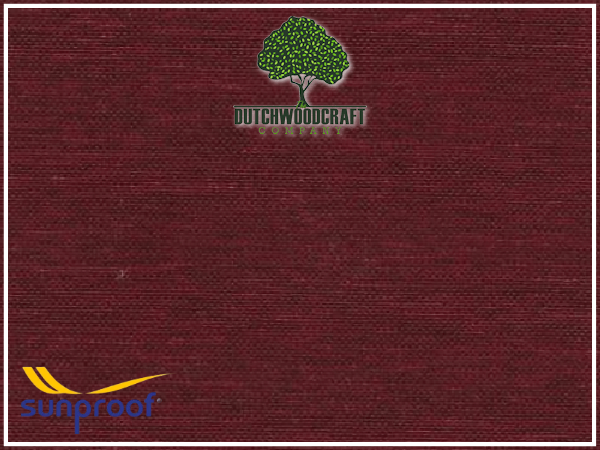
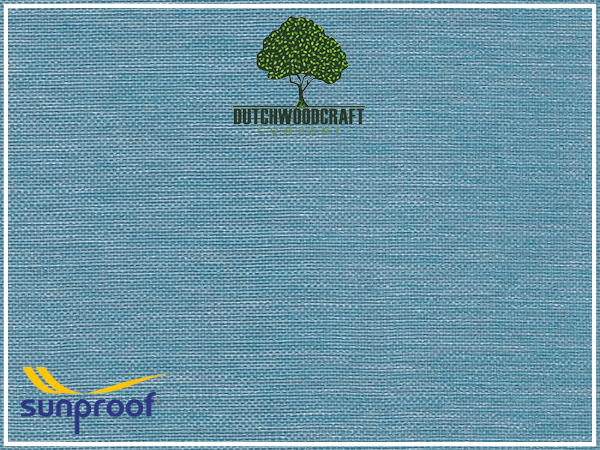
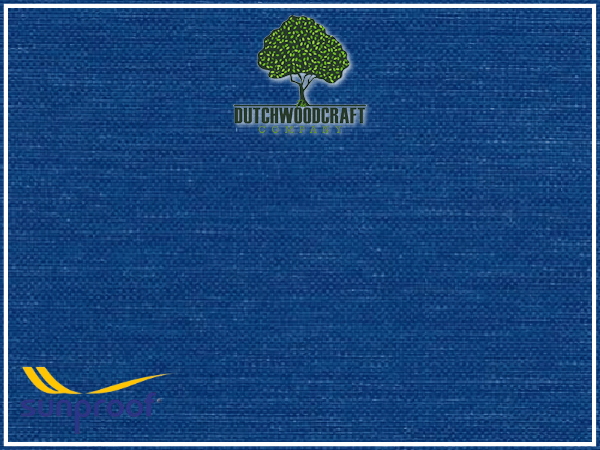
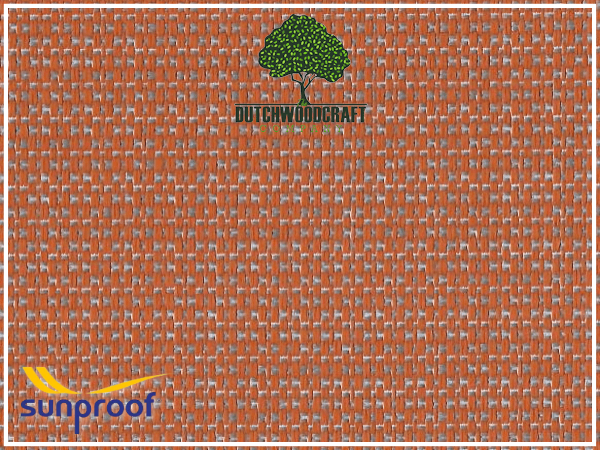
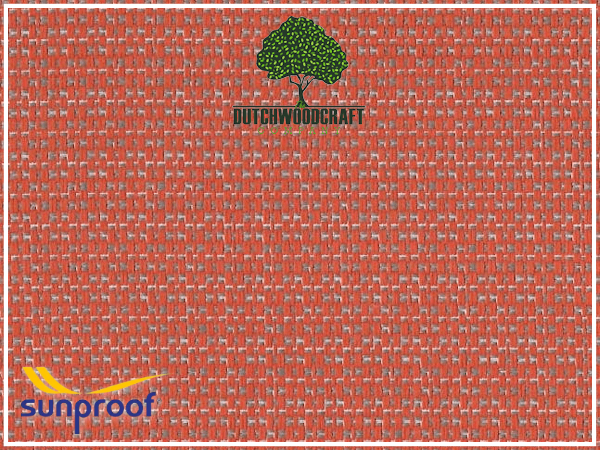
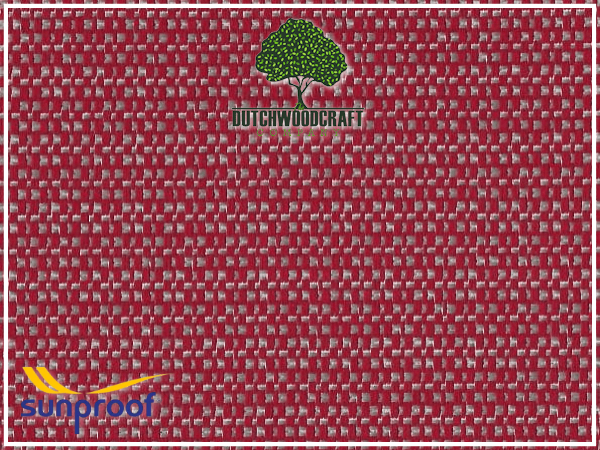
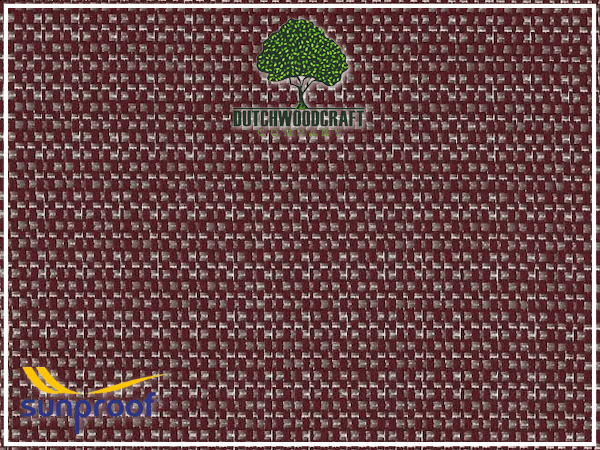
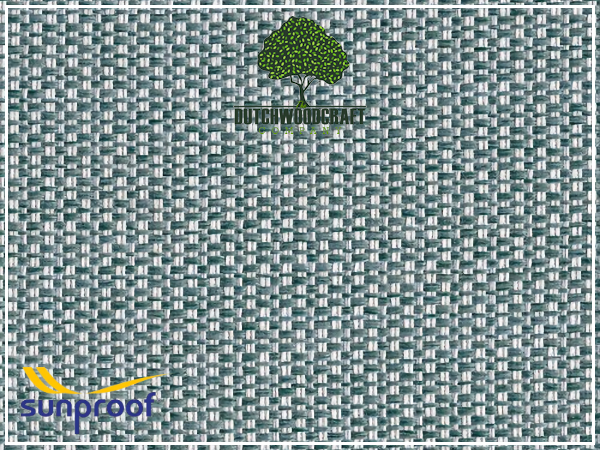
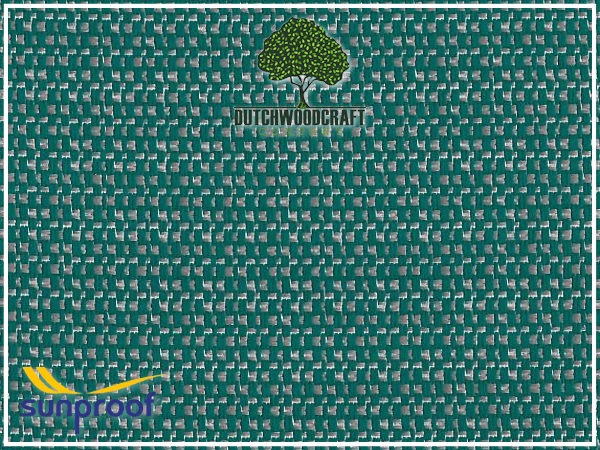
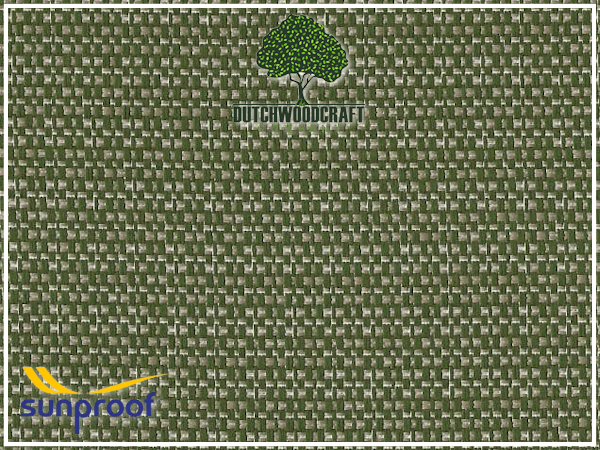
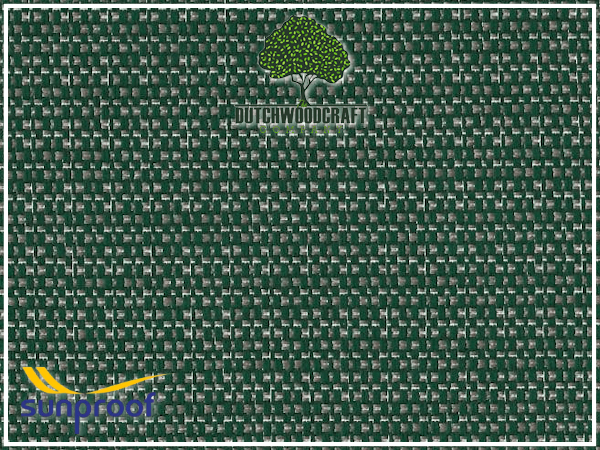
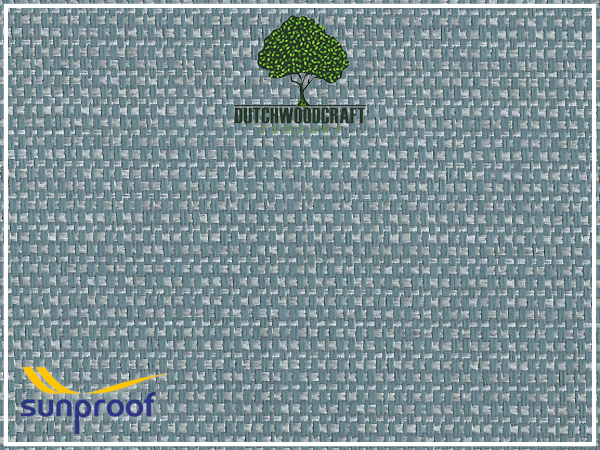
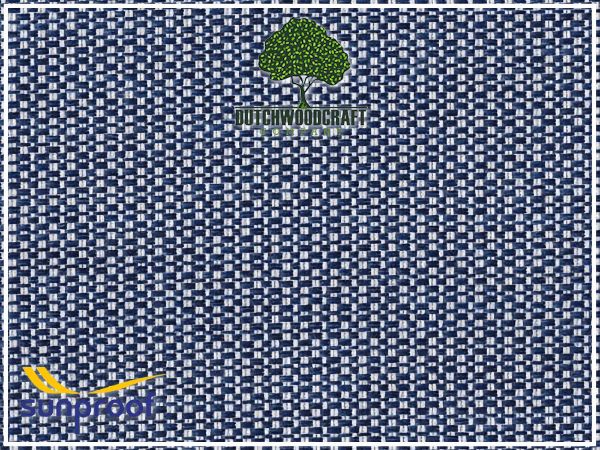
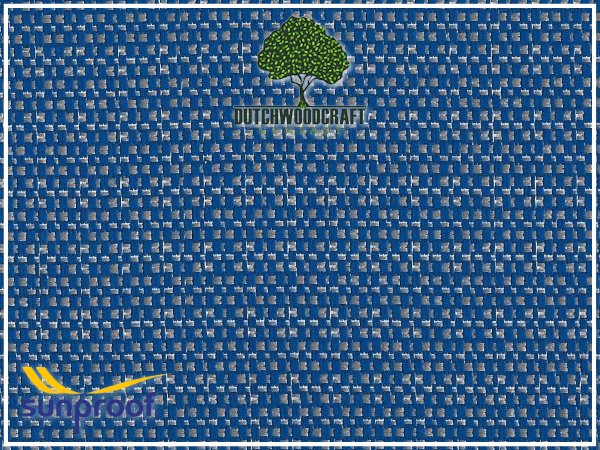
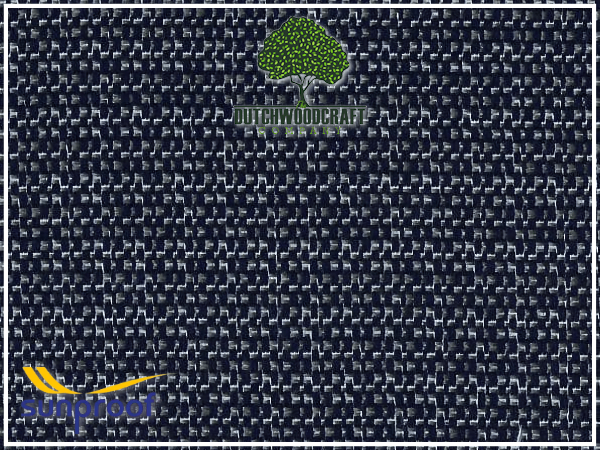
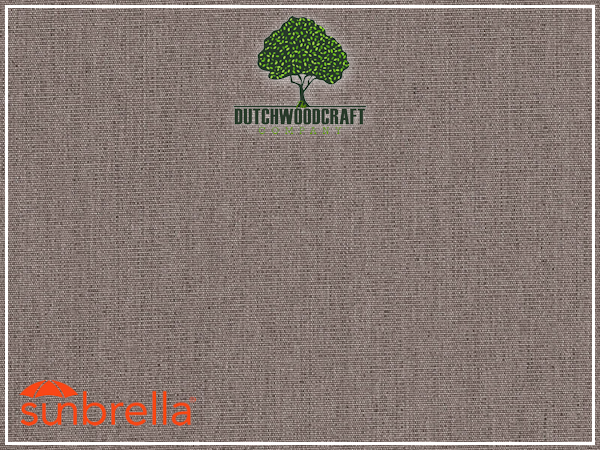
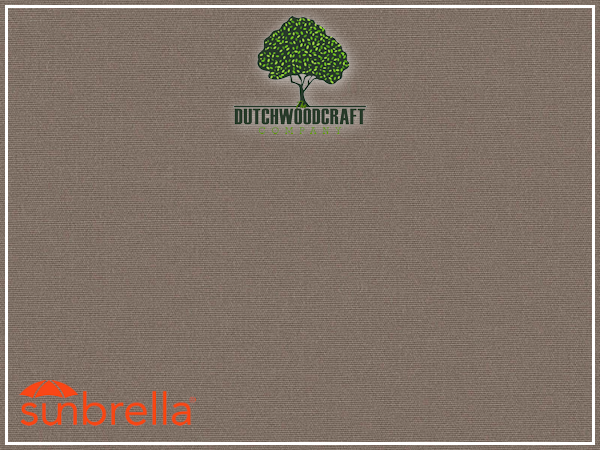
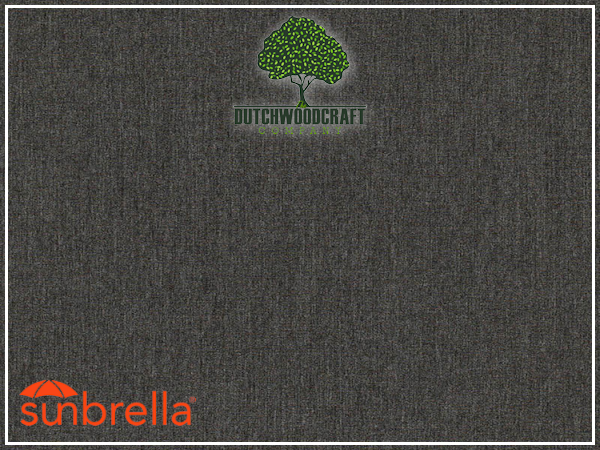
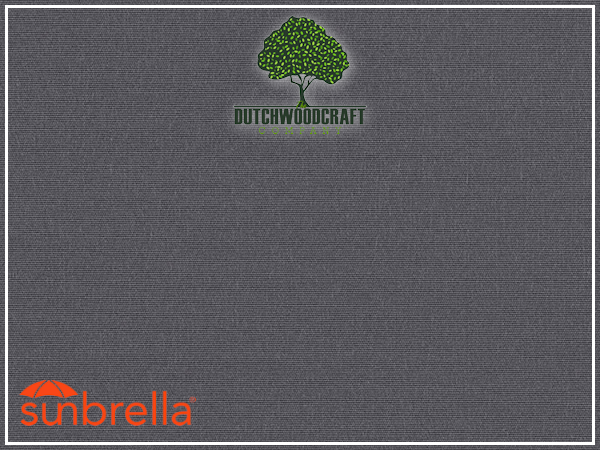
Sunbrella is an American brand owned by Glen Raven, Inc. and has been around since the 1960s. The brand pioneered solution-dyed acrylic, a type of yarn that is fully saturated with color. This ensures the fabric retains its beauty for years, even in bright sunlight. Sunproof, on the other hand, is a relatively newer brand of Asian origin (developed by Ateja, Indonesia). These fabrics are made from solution-dyed olefin (polypropylene). This fiber is also dyed throughout, but the base material differs, which affects its properties.
Technical comparison:
Feature
Sunbrella (Acrylic)
Sunproof (Olefin / Polypropylene)
Material
100% solution-dyed acrylic
100% solution-dyed olefin
UV resistance
Very high (colorfast for up to 10+ years)
High (colorfast for 5–7 years)
Water repellency
Excellent, but breathable
Very good, slightly less breathable
Mold-resistant
Yes, thanks to a special coating
Yes, thanks to water-repellent fibers
Comfort & texture
Softer, natural textile feel
Slightly stiffer, synthetic feel
Colors & Patterns
Extensive collection
Somewhat more limited, but growing
Maintenance
Easy, can even be done with bleach
Easy, but more sensitive to heat
Price range
Higher segment
Mid- to low-end segment
Application
Luxury outdoor & indoor upholstery
General outdoor use, hospitality, garden
Durability and lifespan
Sunbrella fabrics are known for their long lifespan and colorfastness. The fibers are resistant to UV light, salt, chlorine, and rain, allowing the fabric to last up to ten years without fading.
Sunproof fabrics are not far behind, but are generally slightly less resistant to prolonged sun exposure. On the other hand, they are often lighter in weight and more affordable—ideal for projects with a more limited budget.
Maintenance
Both fabrics are designed for easy maintenance. Sunbrella: can be cleaned with water, mild soap, and even a bleach solution without affecting the color. Sunproof: also easy to clean, but it’s best to avoid bleach—it can weaken the material. Both fabrics dry quickly and are resistant to mold, making them ideal for humid environments such as boats, gardens, and pools.
Sustainability & Eco-Friendliness
Sunbrella has its own recycling program and uses recycled fibers in new fabrics. The brand is strongly committed to eco-friendly production processes.
Sunproof is OEKO-TEX® certified, meaning the fabric is free of harmful substances. Although its environmental impact is slightly lower than Sunbrella’s, it is still a sustainable choice within its price range.
Conclusion: Which one should you choose?
Both fabrics are excellent choices for outdoor use—it mainly depends on your budget, intended use, and personal preference.
Sunbrella
Choose Sunbrella if you’re looking for: A luxurious look A soft, natural feel Maximum colorfastness and durability
Sunproof
Choose Sunproof if you want: Affordable quality Good performance for everyday use Low-maintenance outdoor fabric for, for example, hospitality or residential use
In summary
Sunbrella = premium comfort and design Sunproof = a durable, practical, and affordable choice
Whichever you choose, both fabrics offer years of colorfast, weather-resistant, and stylish upholstery—perfect for every season!
Wood is a natural product that constantly reacts to its environment.
Factors such as sunlight, moisture, and temperature fluctuations affect the color, texture, and lifespan of the wood.
To keep your furniture looking its best for as long as possible, we always recommend a suitable treatment.
This protects the wood and ensures that its appearance is preserved.
Why treat wood?
Protects against moisture and weather conditions Prevents rapid graying caused by UV radiation Reduces effects such as shrinkage and expansion Helps limit cracking and warping Protects against dirt, stains, and mold growth The wood remains beautiful and well-maintained
Wood Treatment for Outdoor Use
Outdoor furniture is exposed daily to the effects of sun, rain, wind, and temperature fluctuations.
Without proper protection, wood will weather more quickly, absorb moisture, and may develop cracks or warping.
Proper wood treatment is therefore essential to extend the lifespan of your furniture and maintain its appearance. We recommend treating our outdoor furniture with an oil or nano-coating Despite treatment, wood remains a natural product. Over time, maintenance will be necessary to keep the protection optimal. The various treatments can be reordered from us in 1L, 2.5L, or spray bottle sizes.
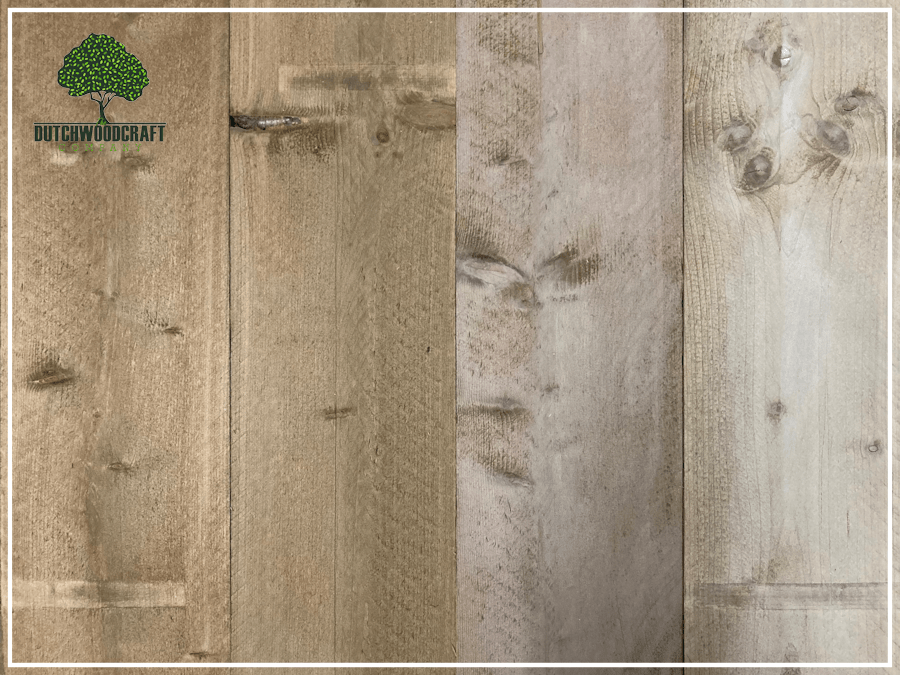
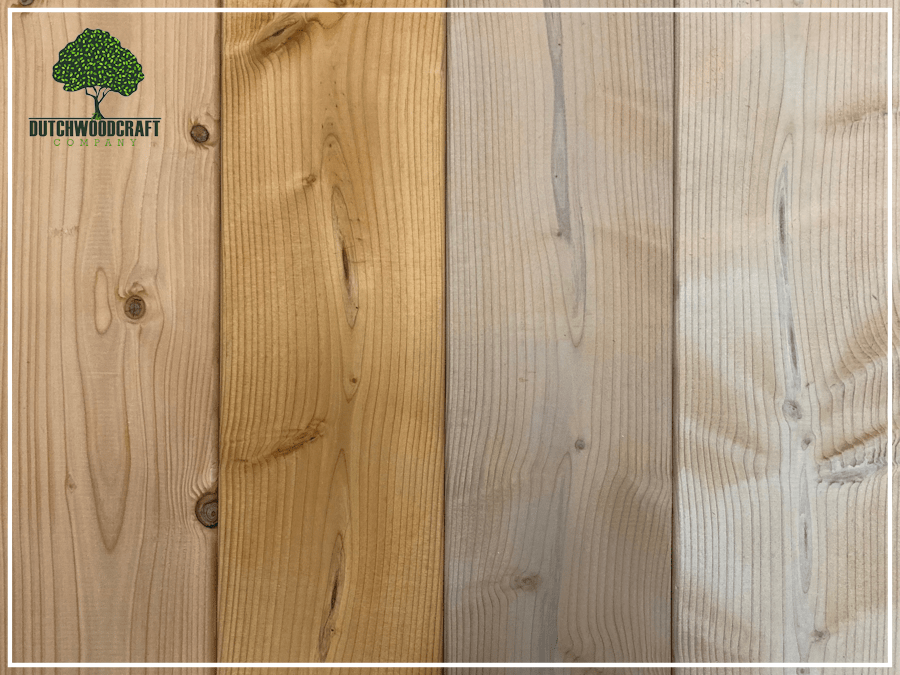
Douglas (Untreated - Natural oil - Grey wash oil - White wash oil)
Nano coating on scaffolding wood
Treatment for indoor use
For indoor furniture, you can choose between a color treatment (stain) and a protective treatment (varnish).
Untreated scaffolding wood has a brown color. It can be treated with a stain or an opaque RAL color. Stain is highly moisture-regulating, allowing moisture to escape through the stain layer without damaging the finish. Stain is available in natural, white-wash, and grey-wash, allowing you to color the scaffolding wood. Additionally, we can apply an opaque paint finish in any RAL color.
Varnish forms a “top coat” over the wood, protecting it from moisture penetration. We therefore recommend this protective layer especially for bathroom furniture and dining tables. We use a matte, transparent varnish so that the protective layer is as invisible as possible. Please note, however, that varnish does not offer protection against substances such as acetone (nail polish remover).
Color treatment (stain)
Gives the wood the desired color
Accentuates the wood grain
Available in various shades
Ensures a uniform appearance
Protective coating (varnish)
Protects against stains and wear
Increases durability
Easy to maintain
Suitable for heavy-duty use
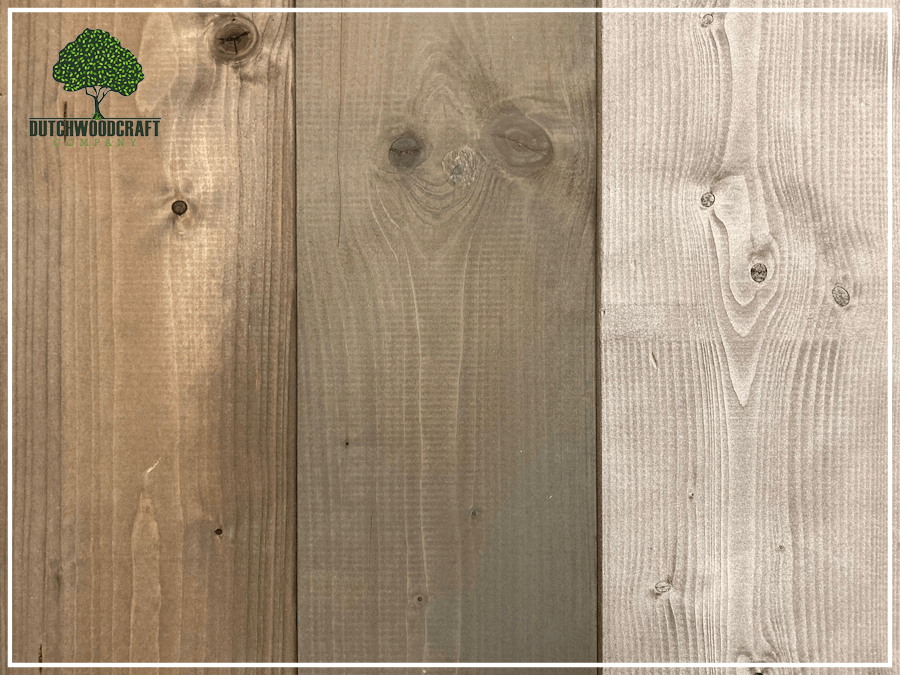
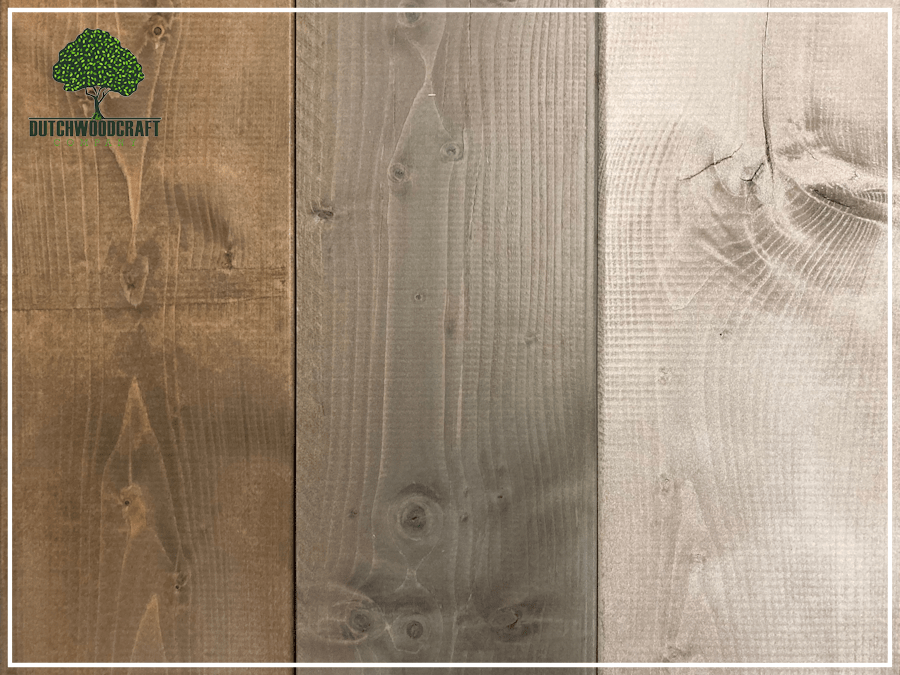
Color chart for interior treatment
(Untreated - Grey wash - White wash)
(Untreated+varnish - Grey wash+varnish - White wash+varnish)
Maintenance and application
To keep your furniture in optimal condition, regular maintenance is important.
Proper care extends the lifespan and ensures that the wood retains its appearance.
Good maintenance and proper application ensure that your furniture remains beautiful for years and is optimally protected.